Install the Android app
Begin on the verified Google Play product page so your device receives the supported Android build for the Niger setup.
Download Private VPN Proxy, choose Niger, and start an encrypted Android connection in one tap. Build a Niger VPN destination for supported Android traffic without entering server addresses by hand. On Android, Private VPN Proxy places the Niger destination beside the connection state and the safeguards used for the session.
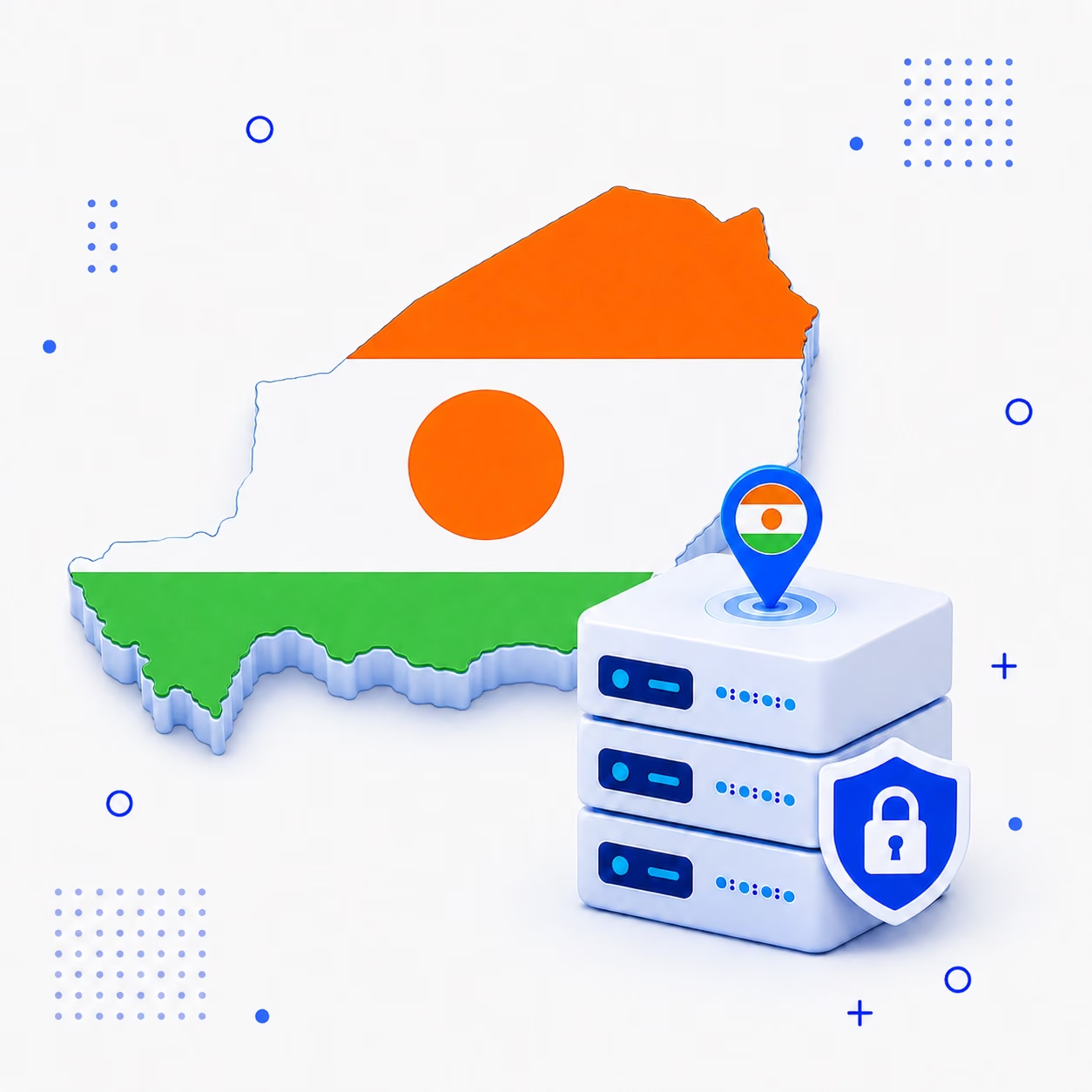
The Niger setup stays inside the app, with no imported profile or manually typed hostname. Confirm that Niger is currently displayed in the app before connecting.
Begin on the verified Google Play product page so your device receives the supported Android build for the Niger setup.
Use the in-app country browser to locate Niger rather than configuring a server address or certificate.
Start the Niger tunnel and check the connected indicator; if the status is incomplete, review the network before continuing.
A landlocked Sahelian West African route through Niger is most useful when country selection, local-network protection, and connection feedback remain easy to review.
The written Niger entry replaces manual hostnames, configuration files, and individual server credentials with a reusable country-level choice.
On airport, hotel, campus, café, and visitor networks, the tunnel can reduce local-network visibility for supported traffic while the VPN remains connected.
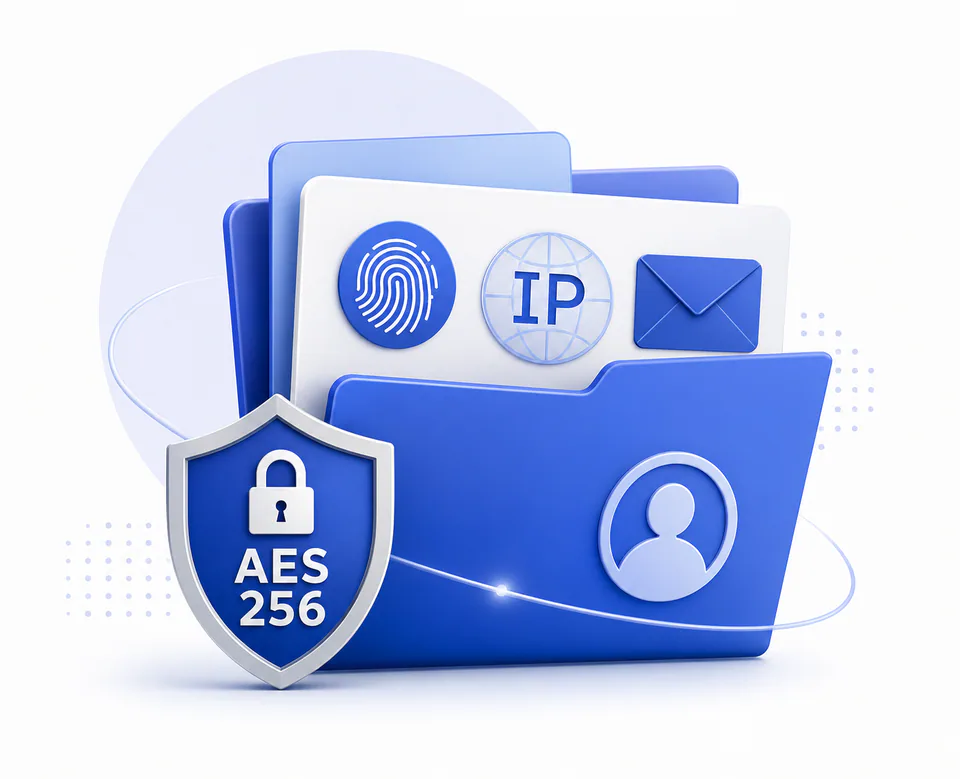
Clear Sahel-route confirmation helps you notice an interrupted session and decide whether to reconnect, change protocol, or disconnect intentionally.

Private VPN Proxy uses a freemium model. Open the Android country list to see whether Niger is included in the access currently available to you.
Read the live Niger card before connecting because plan eligibility, server availability, protocol support, and usage conditions can change.

Install Private VPN Proxy, open the destination list, and select Niger when it is available. Start the tunnel and continue only after the app reports a connected landlocked Sahelian West African route.
Open the official Google Play listing
Return to the worldwide directory when another destination suits a later task. The same Android installation can move away from Niger to any other route currently offered in the app. The live in-app list determines which routes are currently available.
These controls support a Niger VPN destination for supported Android traffic while keeping current availability and connection limitations explicit.
Locate Niger by country name and flag, then confirm current availability before starting the route.
Compare the supported WireGuard and OpenVPN methods when one behaves better for the Niger route on your current network.
Keep the Niger destination and active-state feedback visible during the protected session.
Help align supported domain lookups with the encrypted Niger tunnel instead of the nearby network.
Create an encrypted first link from the Android device to the selected Niger VPN endpoint while connected.
Review Niger access, split tunneling, kill switch support, and other available controls without a desktop utility.
Current features can vary by app version, server and plan. Review the options shown in the Android app before connecting through Niger.
 Country selection
 WireGuard support
 OpenVPN support
 DNS leak protection
 Kill switch support
 Visible connection status
 Split tunneling
 Android compatibility
 Free and premium choices
 One-tap connection
 Public Wi-Fi protection
 No registration required
Review practical answers about Niger availability, shared networks, service access, and connection performance.
Supported Android traffic is encrypted to the selected Niger endpoint, and online services see the VPN server's public route instead of the device's usual public route.
Check that Niger appears beside the connected status in Private VPN Proxy before you resume browsing or open another application.
It may be, but country and plan availability can change. The current Niger entry in the app identifies whether free or premium access applies.
An active VPN can reduce nearby visibility into supported traffic on airport, hotel, campus, café, and visitor networks, but it does not make an unsafe device or website trustworthy.
No. Websites and apps apply their own regional, account, content, and VPN rules independently of the Niger route you select.
Distance to Niger, carrier routing, local signal quality, endpoint demand, congestion, and the destination service can all influence speed and responsiveness.
Get the Android app from Google Play, choose Niger from the country list, and start your encrypted connection with one tap.

 Afghanistan
 Albania
 Algeria
 Andorra
 Angola
 Antigua and Barbuda
 Argentina
 Armenia
 Australia
 Austria
 Azerbaijan
 Bahamas